Why the next conversation matters to lead quality, follow-up performance, and the opportunities your dealerships already paid to generate.
Every dealership wants to respond quickly to internet leads. For GMs and auto group executives, however, the first response is only one part of a much larger sales process. What happens when the customer replies, changes vehicle preferences, asks for an appointment, or returns to the conversation several days later?
Those interactions can influence whether an inquiry becomes a meaningful sales opportunity or simply another activity recorded in the system.
Across an automotive group, the challenge becomes even more significant. Different rooftops may use different BDC structures, lead assignment procedures, and follow-up practices. Leadership needs confidence that internet leads are being handled consistently, even when individual dealerships operate differently.
Recent industry research shows why this deserves attention. The 2026 Foureyes Automotive Dealer Benchmarks Report, based on website activity from more than 22,900 dealership sites, found that 42.7% of qualified leads were mishandled during 2025. These breakdowns included leads that weren’t properly recorded, received delayed follow-up, or were otherwise missed during the handling process.
Meanwhile, the 2026 Pied Piper Internet Lead Effectiveness Study found that AI and automation were improving initial response performance. When a response required human intervention, however, customer questions were twice as likely to go unanswered.
Together, these findings point to an important management consideration: responding to an internet lead is only the beginning. The next steps need to be just as dependable.
A Reply Isn’t Always a Lead
Consider a prospect who submitted an inquiry about a vehicle several weeks ago. After receiving another follow-up message, the customer responds that they’ve already purchased elsewhere.
That reply shows engagement, but it doesn’t represent a new sales opportunity.
Now imagine another customer who initially declines interest in a particular model before asking whether a different vehicle is available. A system that reacts only to the first response could miss the actual direction of the conversation.
These situations illustrate why customer intent matters.
Traditional automated workflows often rely on predefined triggers. A response arrives, a condition is met, and another action follows. While that approach can support basic communication, customer conversations don’t always develop in a predictable order.
DealerAI takes conversation context into account before determining whether an inquiry should become a lead. In its documented workflows, the AI can recognize when a customer declines further interest and avoid creating a new sales opportunity from that response.
When the customer’s request develops over several messages, lead qualification can occur once the intent becomes clear. The system also evaluates the conversation to identify the appropriate department and avoid duplicate leads for the same request.
For dealership management, that distinction matters. A growing lead count is useful only when the information behind those numbers accurately reflects the opportunities entering the business.
Keep the Conversation Moving
Not every prospect responds to the first message, and an unanswered inquiry doesn’t necessarily mean the opportunity has disappeared.
Some customers are still comparing vehicles, reviewing financing options, or deciding when to visit the dealership. Others may return to the conversation after several days, even when the original outreach campaign has ended.
Effective follow-up needs to recognize these differences.
DealerAI Reach supports separate outreach sequences for hot, warm, and cold leads, allowing communication to reflect the type of opportunity being managed. Configured dealership hours also help determine when scheduled messages should be sent.
An especially important capability involves replies that arrive after a campaign has finished. Rather than treating the completed sequence as the end of the interaction, DealerAI’s documented workflows continue handling those responses and can apply campaign-specific routing.
Consider a lease retention campaign. A customer may respond after the scheduled outreach has ended, requesting additional information about their next vehicle. The response still needs to reach the appropriate dealership contact, even though the original campaign is complete.
Reach also includes recovery mechanisms that retry or resume campaigns following certain errors, helping maintain the continuity of scheduled outreach.
For an auto group executive, this introduces a different way to evaluate automation. Instead of concentrating only on the number of messages sent, management can examine whether the follow-up process remains dependable as customer conversations develop.
The objective is to make better use of existing opportunities, with communication that reflects the customer’s actual interest and timing.
Getting the Details Right
Vehicle preferences frequently change during an internet lead conversation. A customer may begin by asking about a particular model but later confirm a different trim, configuration, or model year.
Accurate lead information should reflect what the customer actually requested, rather than relying entirely on the details submitted through the original website form.
DealerAI has developed workflows that identify the vehicle confirmed during a conversation, including more specific model information when available. Its lead-handling processes can also distinguish new and used vehicle inquiries to support appropriate departmental routing.
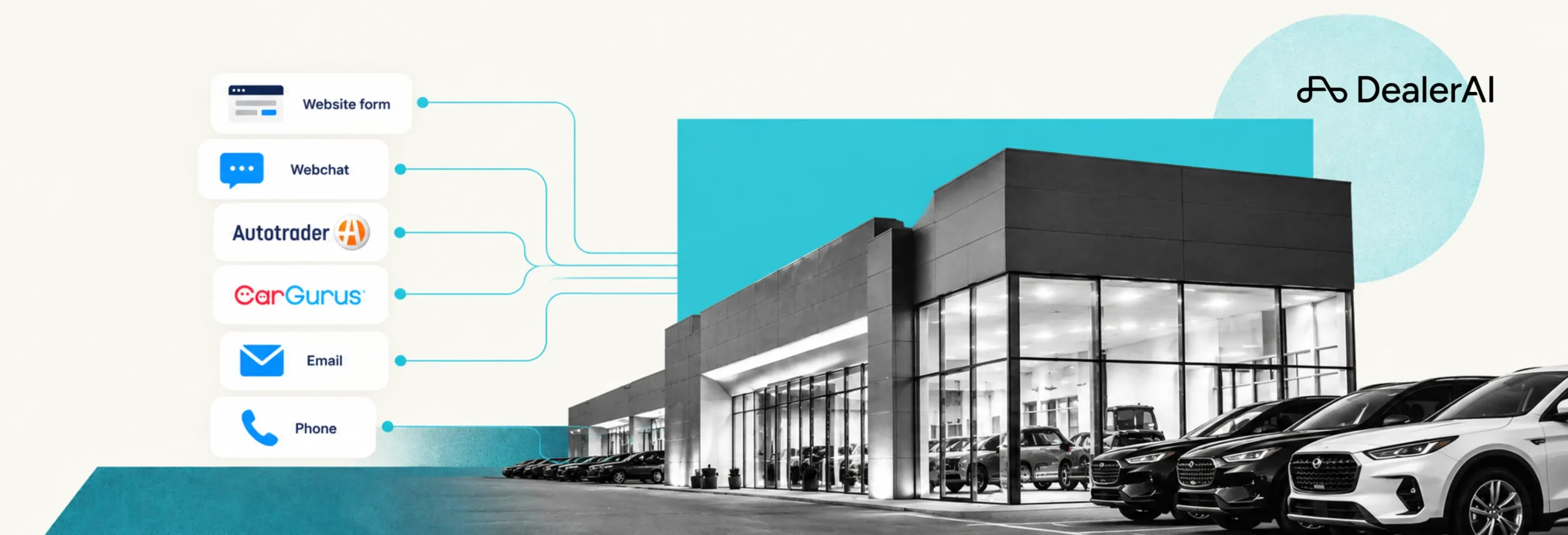
Contact information requires similar attention. Leads arriving from website forms, third-party marketplaces, and imported lists may contain inconsistent names, phone numbers, or email addresses. DealerAI includes formatting and validation processes to prepare these details for supported CRM integrations.
Another important consideration is what happens when the inquiry involves more than one department. A customer might begin with a vehicle question before clarifying that the request relates to service or another dealership function.
By evaluating the complete request, the system can determine the appropriate department rather than creating multiple leads from the same conversation.
From a management perspective, these capabilities support a more accurate picture of incoming opportunities. Reliable lead information also provides a stronger foundation for evaluating activity by department, vehicle, and source.
When Interest Becomes an Appointment
Appointment activity is one of the most closely watched indicators in dealership sales operations. Yet a customer discussing a possible visit is not the same as someone who has confirmed a showroom appointment.
Imagine a prospect asking whether Saturday afternoon is available. Another customer might request a callback from a sales consultant, while a third confirms a specific appointment time.
Each interaction represents a different stage of the sales process.
DealerAI includes safeguards designed to distinguish callback and email requests from in-person appointments. Its documented booking workflows can attach a customer-confirmed appointment to the lead, while controls prevent the system from confirming a booking that wasn’t actually created.
These distinctions are particularly important when executives compare appointment-setting performance across rooftops.
A store recording tentative visits as confirmed appointments may appear stronger on paper than another dealership using stricter definitions. Consistent classification gives leadership a clearer understanding of what the reported activity represents.
As AI becomes more involved in appointment conversations, management should evaluate how the platform handles confirmation, record accuracy, and the transfer of relevant details into dealership systems.
Follow-Up That Understands the Conversation
One of the more interesting developments in dealership AI is the ability to evaluate communication across multiple messages rather than responding to each interaction independently.
Consider a customer who receives an email about a vehicle and later replies through SMS. When both channels are part of a connected outreach campaign, the conversation should remain understandable as a single customer interaction.
DealerAI Reach supports a shared AI evaluation across SMS and email within its multichannel campaigns. This allows relevant conversation context to inform lead handling instead of treating each channel as a completely separate exchange.
Combined with lead qualification, campaign routing, and follow-up sequencing, this approach addresses several practical concerns for dealership management.
The system needs to recognize genuine interest, maintain context, and determine the appropriate next action. Equally important, it should avoid generating unnecessary opportunities or making commitments that have not been confirmed.
DealerAI also applies safeguards around information it provides during customer conversations. Its documented workflows avoid unsupported trade-in estimates, distinguish unavailable vehicle photos from actual inventory images, and prevent unconfirmed appointment bookings from being presented as completed.
For dealer principals and group executives, these details should be part of any AI technology evaluation. The quality of an automated conversation is not determined solely by how natural it sounds, but also by how accurately it operates within the dealership’s business rules.
Built for Dealership Operations
As AI becomes more widely available in automotive retail, dealers have more technology options to evaluate. Response speed, multilingual capabilities, and natural conversations can all be valuable, but they are only part of the decision.
Management also needs to understand how the technology handles lead qualification, follow-up continuity, departmental routing, appointments, and existing dealership systems.
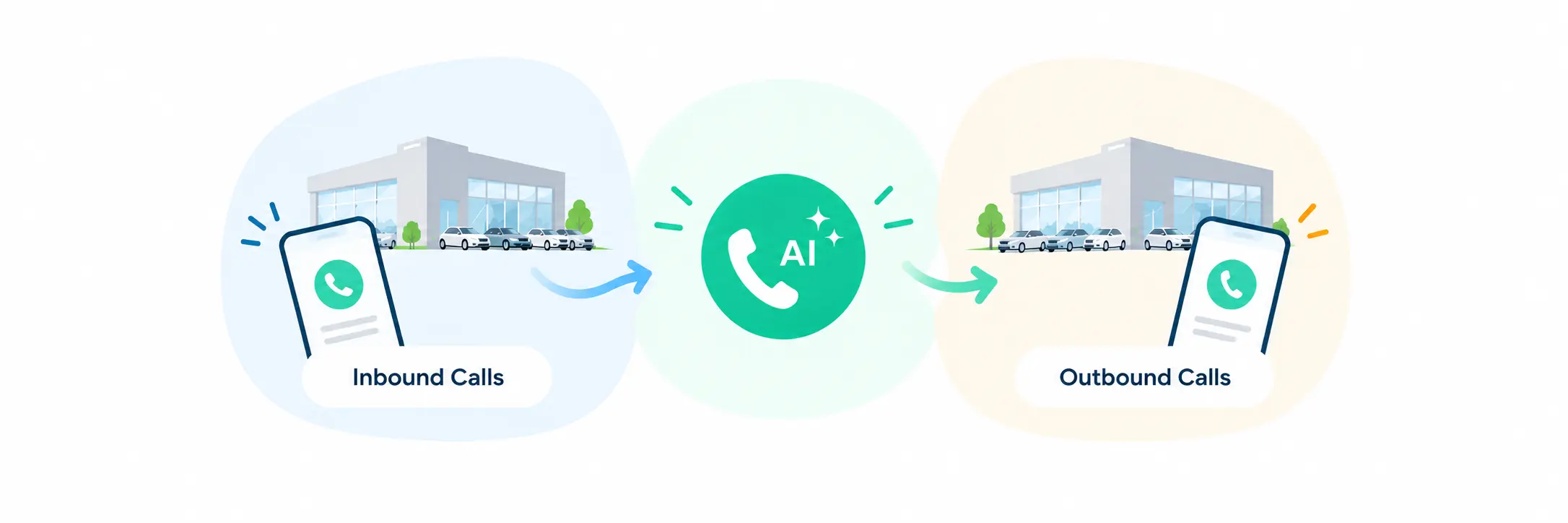
DealerAI is an automotive AI communication platform developed for dealerships and auto groups. Its three products work across different parts of customer communication: Webchat captures website inquiries, Reach supports automated SMS and email follow-up, and Voice handles inbound and outbound phone conversations.
Rather than treating each customer interaction as an isolated task, DealerAI’s approach connects communication with dealership information and operating workflows.
The lead qualification and Reach capabilities discussed here illustrate that approach in practice. Customer intent can be evaluated before creating a new lead, relevant vehicle details can be carried forward, and follow-up can continue when responses arrive outside the original campaign schedule.
Supported CRM integrations connect qualified opportunities and conversation context with the dealership’s existing processes. Specific functionality depends on the connected system and its configuration.
For an auto group, another consideration is whether these capabilities can support individual rooftops operating under common business expectations.
Store hours, departmental responsibilities, follow-up configurations, and inventory policies may vary between dealerships. DealerAI supports dealership-specific rules within its documented workflows, helping groups apply consistent communication principles without assuming every location operates identically.
This is where its automotive focus becomes relevant: the technology is designed around the operating decisions that follow a customer conversation, not simply the first automated response.
What Should Group Leadership Measure?
Response time remains a useful performance indicator, but it offers only a limited view of what happens to an internet lead.
Dealer principals and group executives evaluating automated communication should also examine the quality and continuity of the process.
Several measurements deserve attention:
- Qualified opportunities: How many customer conversations result in a meaningful lead requiring dealership attention?
- Follow-up engagement: Are prospects continuing to respond after the first message or subsequent outreach?
- Appointment accuracy: Are confirmed visits distinguished from tentative requests and callbacks?
- Lead handling: Are inquiries reaching the appropriate department with the relevant customer and vehicle information?
- Campaign continuity: Are late replies and interrupted outreach sequences being handled appropriately?
Reviewing these areas alongside appointment show rates and lead-to-sale conversion can help leadership assess how communication technology contributes to the sales operation.
Consistent definitions are particularly important when comparing results across several rooftops. Without them, differences in lead classification or appointment reporting can make performance comparisons less meaningful.
The management objective is to understand whether the organization is making effective use of its existing internet lead investment, rather than simply increasing the amount of recorded activity.
Common Questions From Auto Group Leaders
What should happen after an internet lead receives its first response?
A dependable lead management process should understand the customer’s request, identify relevant vehicle or department information, and determine the appropriate next action. Depending on the conversation, that may involve continued follow-up, creating a qualified lead, arranging an appointment, or recognizing that no further action is required.
How does AI determine whether a dealership inquiry is qualified?
AI lead qualification evaluates conversation context to identify customer intent and determine whether an inquiry represents an actionable opportunity. DealerAI’s documented workflows recognize declined inquiries, consider the customer’s developing request, and use the relevant information to prepare a qualified lead for dealership follow-up.
What happens when a customer replies after a Reach campaign ends?
DealerAI Reach includes workflows that continue handling customer responses received after an outreach campaign has finished. Campaign-specific routing can still apply, allowing relevant inquiries to be directed to the appropriate dealership contact.
Can AI follow-up be different for hot, warm, and cold leads?
Yes. DealerAI Reach supports different outreach sequences based on lead temperature, with message timing governed by configured dealership hours. This allows follow-up to reflect the type of opportunity rather than applying one identical sequence to every lead.
How can auto groups improve internet lead handling across multiple dealerships?
Group leadership can begin by establishing consistent definitions for qualified leads, appointments, follow-up activity, and performance reporting. Technology should then be evaluated on its ability to support those standards while accommodating each dealership’s operational requirements, systems, and configured business rules.
Make Every Response Count
Generating internet leads requires a meaningful investment in advertising, technology, and dealership operations. Responding quickly helps start the conversation, but management also needs confidence in the process that follows.
Customer intent, lead qualification, accurate information, follow-up continuity, and appointment handling all contribute to how effectively those inquiries are managed.
For dealer principals and group executives, the opportunity is to build on existing internet lead investments with a more consistent and informed approach across participating rooftops.
The first response starts the conversation. What happens next determines whether the dealership recognizes the opportunity and takes the right action.
See How DealerAI Works
DealerAI helps dealerships and auto groups connect website inquiries, automated follow-up, and phone communication with automotive-specific lead management workflows.
Explore how Webchat, Reach, and Voice can support your dealership’s customer communication strategy, or see how DealerAI would work across your group.