For car dealerships, generating leads is only the beginning of the sales process. The greater challenge is maintaining consistent communication as customers move from initial inquiries to vehicle comparisons, appointments, and purchase decisions. With multiple communication channels and busy sales departments, keeping every conversation moving requires a coordinated approach.
Consider a prospective buyer who submits an online inquiry after business hours, or a customer who responds to an earlier message while their salesperson is assisting someone else. In either situation, timely communication can help maintain the customer’s interest and create an opportunity for the dealership to continue the conversation.
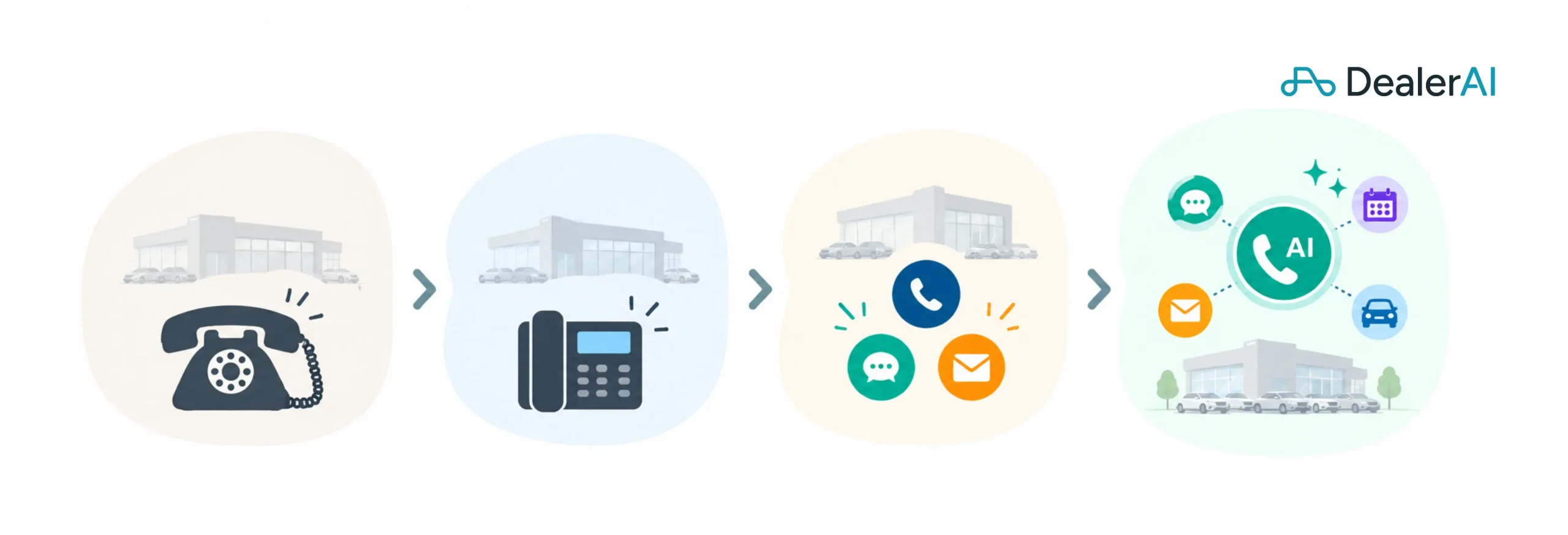
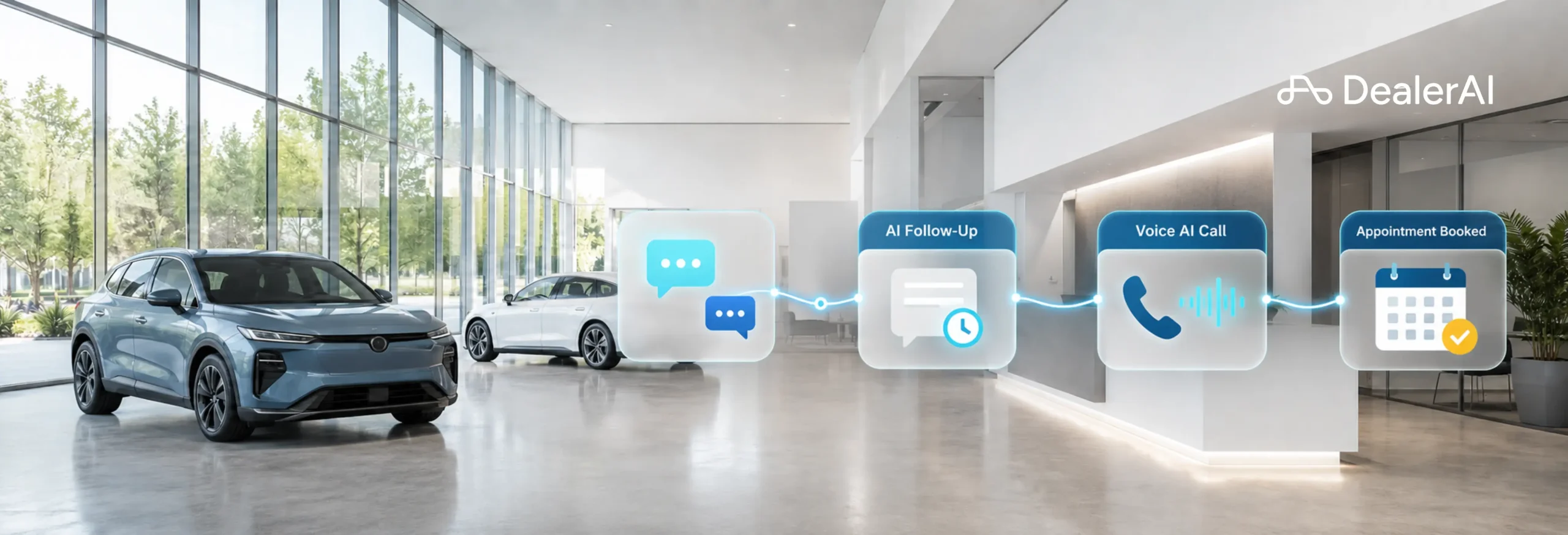
AI-powered dealership follow-up offers a way to connect these interactions with existing sales processes. By using customer information, conversation history, and CRM activity, automation can support relevant communication while keeping dealership teams involved when personal attention is needed.
For owners, general managers, and auto group executives, the question is where automation can deliver the greatest business value and which processes should be prioritized first.
What Should a Dealership Automate First?
New internet lead response is often the most practical starting point for dealership follow-up automation. It helps establish timely communication with customers who are actively researching vehicles and creates a clear path for the sales or BDC team to continue the conversation.
Once that workflow is established, dealerships can expand automation into unanswered inquiries, missed appointments, and re-engagement campaigns targeting older CRM leads. Each process addresses a different stage of the customer journey and should have clearly defined responsibilities and performance measurements.
The following table provides a framework for prioritizing these opportunities.
| Follow-up workflow | When to use it | Automation opportunity | Key performance metrics |
|---|---|---|---|
| New internet leads | When a customer submits a vehicle inquiry | Respond promptly, acknowledge their interest, and connect the conversation with the sales team | First response time, qualified conversations |
| Unanswered inquiries | When a customer has not responded to previous contact | Continue personalized communication based on customer history and CRM status | Customer reply rate, appointments booked |
| Missed appointments | When a scheduled visit is confirmed as missed | Reconnect with the customer and offer a rebooking opportunity | Rebooked appointments, attended appointments |
| Older CRM leads | When previous inquiries remain eligible for re-engagement | Launch targeted campaigns based on vehicle interest and customer history | Reply rate, qualified opportunities, attributable sales |
These workflows are recommended starting points rather than a universal implementation sequence. The right priorities depend on the dealership’s lead volume, operating procedures, and available system integrations.
Why Dealership Follow-Up Becomes Inconsistent
Most dealerships already have CRM systems designed to organize leads, track customer interactions, and assign responsibilities. However, recording information does not automatically ensure that every customer receives appropriate follow-up at the right time.
Communication becomes more complicated when multiple employees interact with the same customer or when information changes between scheduled messages. A salesperson might book a showroom appointment while a prospecting sequence remains active, or a customer may complete a purchase before the CRM status is reflected in another system.
Without connected processes, subsequent outreach can become disconnected from the customer’s actual situation. Someone who already scheduled an appointment, for example, should not receive another message asking whether they are still interested in visiting the dealership.
Effective automation addresses this challenge by making follow-up responsive to available customer and CRM information. Rather than treating every inquiry as a fixed sequence of reminders, the system can use qualifying activity and status changes to determine whether communication should continue, change direction, or end.
The objective is not simply to increase the number of messages sent. It is to maintain relevant customer engagement while supporting the dealership’s existing sales process.
Four Dealership Follow-Up Opportunities Worth Prioritizing
1. Responding to New Internet Leads
A potential buyer browsing a dealership’s inventory at 9 PM may discover a vehicle that interests them and submit an online inquiry. Although the showroom is closed, that customer’s interest is immediate. A timely acknowledgment can help maintain the connection and provide a useful next step before the sales department resumes regular operations.
AI-powered follow-up can respond to incoming inquiries using available customer and vehicle information. When a question requires confirmation, such as whether a specific unit remains available, the system should communicate that clearly and direct the request to the appropriate team member.
The business value extends beyond response speed. A connected workflow gives sales and BDC teams visibility into new opportunities and helps establish responsibility for continuing the conversation when a customer is ready to move forward.
DealerAI’s internal platform data shows a median first response time of 15 seconds for leads enrolled in its AI follow-up workflows. This measurement reflects the reported platform activity rather than a guaranteed response time for every dealership or CRM integration.
For management, first response time provides a useful initial benchmark. The next consideration is whether that engagement progresses into meaningful conversations and sales opportunities.
2. Maintaining Relevant Communication With Unanswered Leads
Not every car buyer responds to the first message. Some are comparing vehicles, reviewing financing options, or waiting until they are ready to schedule a visit. Others may have questions that require several interactions before they make a decision.
Maintaining contact with these customers is an important part of the dealership’s sales process, but the relevance of each message matters. Repeating generic reminders offers limited value when the customer has already shared specific vehicle interests or raised questions during an earlier conversation.
AI-powered follow-up can use available conversation history to create more personalized communication. A customer who previously inquired about an SUV, for instance, may receive information related to that interest rather than another general message asking whether they are still shopping.
The process also needs to adapt when the customer’s status changes. Through supported CRM integrations, DealerAI Reach can check qualifying updates before follow-up steps and end sequences when an appointment is booked, a purchase is recorded, or another configured stop condition is met. Customers who opt out must also be excluded from further outreach through the applicable channels.
For dealerships, this creates a more coordinated approach to ongoing communication. Salespeople remain responsible for progressing opportunities, while automation helps maintain timely and relevant contact between customer interactions.
3. Reconnecting After Missed Appointments
Appointments represent an important milestone in both sales and service operations. A customer who agrees to visit the dealership has already taken a meaningful step beyond the initial inquiry, making a missed appointment worth appropriate follow-up.
However, accurate appointment information is essential. A customer may have rescheduled directly with a salesperson, arrived at a different time, or completed a visit before the CRM was updated. Automated outreach based on an incorrect status could create an unnecessary or confusing experience.
Dealerships considering appointment recovery should therefore verify that their scheduling systems can reliably identify missed visits and make that information available to the follow-up process. Responsibility for rebooking also needs to be clear, whether it belongs to the BDC, assigned salesperson, or service advisor.
When those requirements are met, automation can support a consistent process for reconnecting with customers and offering another appointment. Measuring subsequent attendance, rather than rebookings alone, provides management with a stronger indication of the outcome.
4. Re-Engaging Older Leads in the CRM
Dealerships invest significantly in generating customer inquiries through digital advertising, inventory listings, websites, and other marketing channels. Over time, those investments create a substantial database of potential customers, including many who did not make an immediate purchase.
Some buyers may have postponed their plans, changed vehicle preferences, or stopped responding before making a decision. While not every older lead represents an active opportunity, carefully selected customer segments can provide a starting point for renewed communication.
Instead of sending the same message to an entire database, dealerships can organize campaigns around previous interests, customer history, or relevant offers. This allows outreach to address a more specific audience and provides management with a clearer way to evaluate campaign performance.
DealerAI’s Courtenay Mazda case study illustrates the value of this approach. After shifting from broad outreach to targeted campaigns using DealerAI Reach, the dealership achieved a 33%+ reply rate on targeted campaigns, compared with approximately 10% for broader messaging. Across the reported 90-day period, its blended reply rate exceeded 20%.
These figures reflect Courtenay Mazda’s specific campaigns and are not guaranteed results for other stores. Nevertheless, they demonstrate how customer segmentation and relevant outreach can help dealerships generate more engagement from leads they have already invested in acquiring.
Can AI Follow-Up Extend Beyond the Sales Department?
Although sales lead management is a natural starting point, customer communication continues throughout vehicle ownership. Service appointments, parts inquiries, and finance-related activities all create opportunities for timely and coordinated communication.
Each department, however, operates with different information and responsibilities. Service reminders depend on accurate appointment records, while parts-related updates require reliable order status. Finance communication introduces additional considerations around sensitive information, approved procedures, and escalation to the F&I team.
For this reason, expanding automation should begin with an assessment of the specific workflow rather than an assumption that a single solution can automatically manage every department. The dealership needs to understand which information is accessible, how customer requests will be handled, and when an employee must take responsibility for the next step.
For auto groups, there may also be opportunities to establish common communication standards across multiple rooftops. Individual dealerships should still retain the flexibility to accommodate their own CRM configurations, staffing structures, and operating processes.
How to Evaluate Dealership AI Follow-Up Systems
As AI solutions become more common in automotive retail, dealership executives need to look beyond the quality of an individual demonstration conversation.
A system may respond naturally to a vehicle inquiry, but its operational value also depends on how it interacts with the dealership’s existing technology and staff. CRM integration, customer history, inventory information, and conversation ownership all influence how effectively automation performs in daily operations.
One important area to evaluate is how the platform handles changes in customer status. If a salesperson books an appointment or a lead is marked sold, management should understand whether that information is available to the automation and how subsequent messages are affected.
Dealerships should also examine how conversations are handed over to employees. Customers may request a specific salesperson, ask questions requiring verification, or change their buying preferences during an exchange. A useful system should support those situations through clearly defined responsibilities and appropriate access to conversation history.
For larger auto groups, reporting and configuration flexibility become additional considerations. Executives may want visibility across locations while allowing individual dealerships to follow processes appropriate for their teams and customer base.
A practical evaluation should include real dealership scenarios rather than relying exclusively on scripted demonstrations. This helps management understand the platform’s capabilities, integration requirements, and operational limitations before implementation.
What Results Should Dealerships Measure?
The effectiveness of AI-powered follow-up cannot be determined by message volume alone. While response speed is important, the broader objective is to improve how customer inquiries progress through the sales process.
Reply rates offer one indication of customer engagement, but different communication channels and audiences should be measured separately.
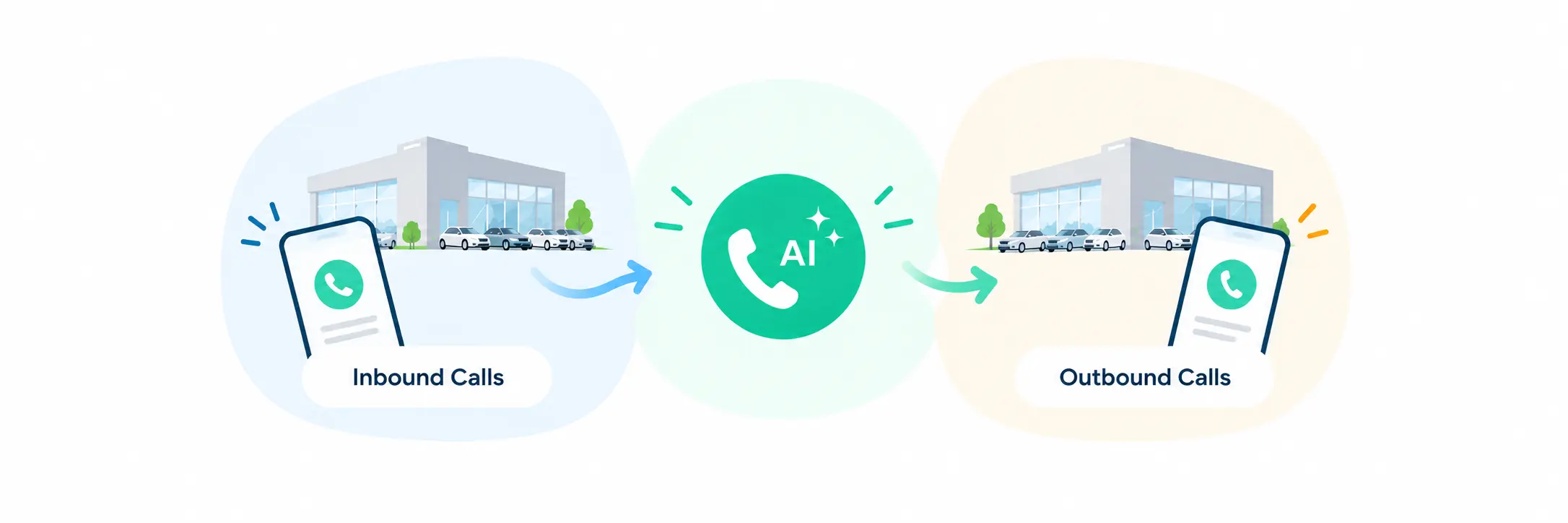
For example, Campbell River Toyota reported an 85% inbound SMS reply rate, a 42% inbound email reply rate, and a 27% outbound reply rate using DealerAI Reach.
These results reflect different types of interactions. Inbound customers have already initiated contact, while outbound campaigns involve reconnecting with selected audiences. Comparing the two directly would overlook important differences in customer intent.
For dealership management, a useful performance review connects engagement metrics with outcomes such as qualified conversations, booked appointments, attended visits, and attributable sales where reliable data is available.
Establishing a baseline before automation is introduced also helps determine whether the new process delivers a measurable improvement. Reviewing performance over comparable periods allows managers to assess the contribution of follow-up alongside other factors affecting dealership results.
Building an AI Follow-Up Strategy for Your Dealership
Successful implementation begins with a specific business objective rather than an attempt to automate every customer interaction at once.
A dealership might first focus on responding to internet inquiries more consistently or reconnecting with a selected group of older CRM leads. Choosing a manageable workflow allows the team to establish clear responsibilities and evaluate the outcome before introducing additional processes.
Once the objective is defined, management should confirm the required customer information, communication rules, and CRM integration capabilities. Testing should include realistic situations such as appointment changes, customer replies, opt-outs, unavailable vehicle information, and requests to speak with an employee.
The next stage is measuring performance against the dealership’s existing results. Reviewing customer engagement, appointment outcomes, and operational exceptions can help determine whether adjustments are needed before expanding the program.
For auto groups, a successful rollout at one rooftop may provide a useful reference for other locations. However, implementation should still account for differences in local procedures, customer requirements, and available systems.
A More Connected Approach to Dealership Follow-Up
Effective dealership follow-up depends on timely communication, accurate customer information, and clear responsibility throughout the buying process. AI-powered automation can support these priorities by connecting initial inquiries, ongoing engagement, and reactivation campaigns with the dealership’s existing operations.
For owners and general managers, the opportunity is to strengthen customer communication while making better use of leads already generated through marketing and sales activities. Across multi-rooftop organizations, connected processes may also support greater consistency and visibility between locations.
The strongest starting point is a measurable opportunity where automation can complement the dealership’s established workflow and contribute to meaningful business outcomes.
DealerAI Reach helps dealerships manage personalized follow-up using supported customer data and communication channels. Whether the priority is responding to new internet leads or reconnecting with older CRM contacts, the right approach begins with understanding how the technology fits your dealership’s sales process.
Book a walkthrough with DealerAI to explore how AI-powered follow-up could work at your dealership or auto group.
Frequently Asked Questions About Dealership AI Follow-Up
What should a car dealership automate first?
New internet lead response is often a practical starting point because it supports timely communication with customers actively shopping for vehicles. Dealerships can then consider automated follow-up for unanswered inquiries, missed appointments, and older CRM leads based on their operational priorities.
How does AI improve dealership lead follow-up?
AI-powered follow-up can respond to inquiries, continue personalized communication, and use available CRM information to adjust outreach as customer activity changes. This helps dealerships maintain consistent engagement while keeping sales and BDC teams involved when needed.
Can dealership AI follow-up integrate with an existing CRM?
Many dealership AI platforms support CRM integrations, but their capabilities vary. Dealerships should verify which customer records, appointment statuses, conversation histories, and workflow actions are available through their specific integration.
Does AI follow-up replace the BDC or sales team?
AI follow-up supports routine customer communication and lead engagement. Salespeople and BDC teams remain responsible for managing customer relationships, handling complex inquiries, coordinating appointments, and progressing opportunities toward a sale.
Can AI follow-up support multiple dealerships within an auto group?
Multi-rooftop organizations can use supported AI platforms to establish consistent communication processes across locations. Individual dealerships may still require different CRM configurations, assignment rules, and operational procedures.
Can AI automate communication across sales, service, parts, and finance?
Selected workflows may be automated when the necessary data, integrations, permissions, and staff handoffs are available. Capabilities should be verified separately for each department rather than assuming the same functionality applies throughout the dealership.
How should dealerships measure AI follow-up performance?
Key metrics include first response time, customer reply rates, qualified conversations, appointments booked, appointments attended, and attributable sales. Comparing results within consistent customer groups and reporting periods provides a more meaningful assessment of performance.
Can AI reconnect with older leads in a dealership CRM?
AI-powered campaigns can help dealerships reconnect with selected older leads through personalized outreach based on available customer information. Accurate records, relevant audience segmentation, appropriate contact permissions, and clear assignment of customer replies are important to the process.