Quick Answer
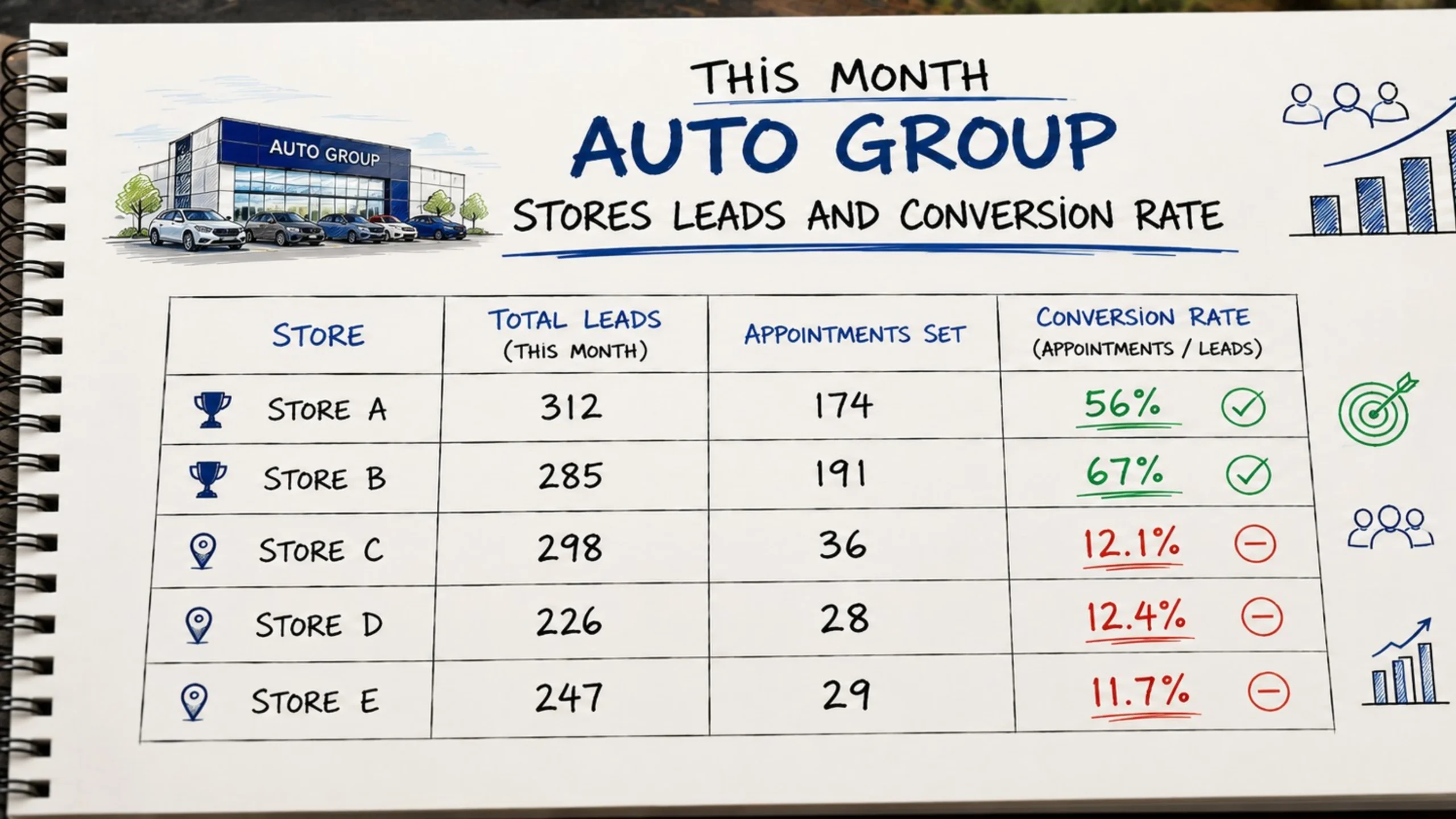
Dealerships in the same auto group can produce very different lead conversion results because the customer journey is not always handled the same way at each store.
One location may respond quickly, continue useful outreach, answer questions clearly and move the shopper toward an appointment. Another may start well but lose momentum when the team gets busy, the buyer changes channels or responsibility moves between employees.
Market conditions, inventory and sales talent all influence performance. However, auto group leaders should also examine what happens between the first inquiry and the final appointment or sale. That part of the journey can reveal why similar stores produce different results.
Same Group, Different Results
It is common for dealerships under the same ownership to perform differently with digital leads. Two stores may use the same CRM, receive similar lead sources and follow the same broad sales process, yet one consistently books more appointments and closes more opportunities.
Some variation is expected. Brand demand, local competition, inventory, staffing and salesperson experience all affect performance. Still, those factors do not always explain why one location repeatedly outperforms another.
A buyer may interact with a dealership several times before making a decision. They might ask about vehicle availability, discuss a trade-in, move from email to text, speak with more than one employee or stop responding for several days before returning.
Each interaction creates another point where momentum can continue or weaken. For a Sales Director or VP overseeing multiple stores, those moments are often more useful to study than the final close rate alone.
Speed Is the Beginning
Fast response remains important in automotive retail. A shopper who asks about a vehicle expects timely help, especially when several dealerships may have similar inventory.
However, response time measures only the beginning of the relationship.
One dealership may reply within a minute but stop meaningful contact after the first few exchanges. Another may respond a few minutes later, answer the buyer’s questions, discuss the trade and make it easy to schedule a visit.
The first store may report a better response-time metric, while the second creates the stronger path toward an appointment.
For group leadership, this means response speed should be viewed alongside the quality and continuity of what follows. A quick reply is valuable, but the real question is whether that first interaction starts a journey that continues.
Follow-Up Can Lose Relevance
The quality of continued outreach often changes as a lead gets older.
Salespeople and BDC teams are managing fresh inquiries, phone calls, walk-ins, deliveries and active deals at the same time. As new opportunities arrive, prospects from earlier in the week naturally compete for attention.
The first messages may be specific to the buyer’s situation. Later touches can become generic reminders such as “still interested?” or “just checking in.”
Those messages are easy to send, but they provide little new value to the shopper.
A customer who stops replying has not necessarily stopped shopping. They may be comparing another model, waiting for a spouse, reconsidering their budget or simply dealing with other priorities.
The strongest outreach reflects what is already known. If a buyer asked about a particular trim, was waiting for a trade value or could only visit on Saturday, the next contact should take that history into account. A price change, new promotion or newly available vehicle may also provide a more relevant reason to reconnect.
For auto groups, the key question is not simply whether follow-up happened. It is whether the contact remained useful enough to keep the opportunity alive.
Appointments Need a Clear Path
Some dealership interactions appear positive but never result in an appointment.
A buyer may receive the information they requested, discuss availability and ask questions about a trade or payment. The exchange can be productive, yet still end without a clear next step.
This is easy to miss in high-level reporting. The customer was engaged, the dealership responded and nothing obviously went wrong. However, the opportunity never moved from information gathering to a scheduled visit.
Appointment performance can therefore reveal more than buyer intent. It can also show how consistently each location moves a good conversation forward.
For group leaders, it is worth comparing how often stores create a clear path to the showroom. If one dealership consistently turns active conversations into appointments while another does not, the difference may be in execution rather than lead quality.
Handoffs Matter
A dealership inquiry rarely stays with one person from beginning to end.
A BDC representative may start the discussion before a salesperson takes over. A manager may later become involved, followed by finance or another department.
From the customer’s perspective, they are still dealing with one dealership.
Problems arise when useful information does not move with them. The buyer may need to repeat details, the next employee may not know what was already discussed, or outreach may stop because responsibility for the next step becomes unclear.
A good handoff should therefore preserve more than the customer’s contact information. It should carry enough context for the next person to continue naturally.
This becomes even more important across a multi-rooftop organization. The more people and locations involved, the more opportunities there are for the customer journey to become fragmented.
Channels Can Split the Story
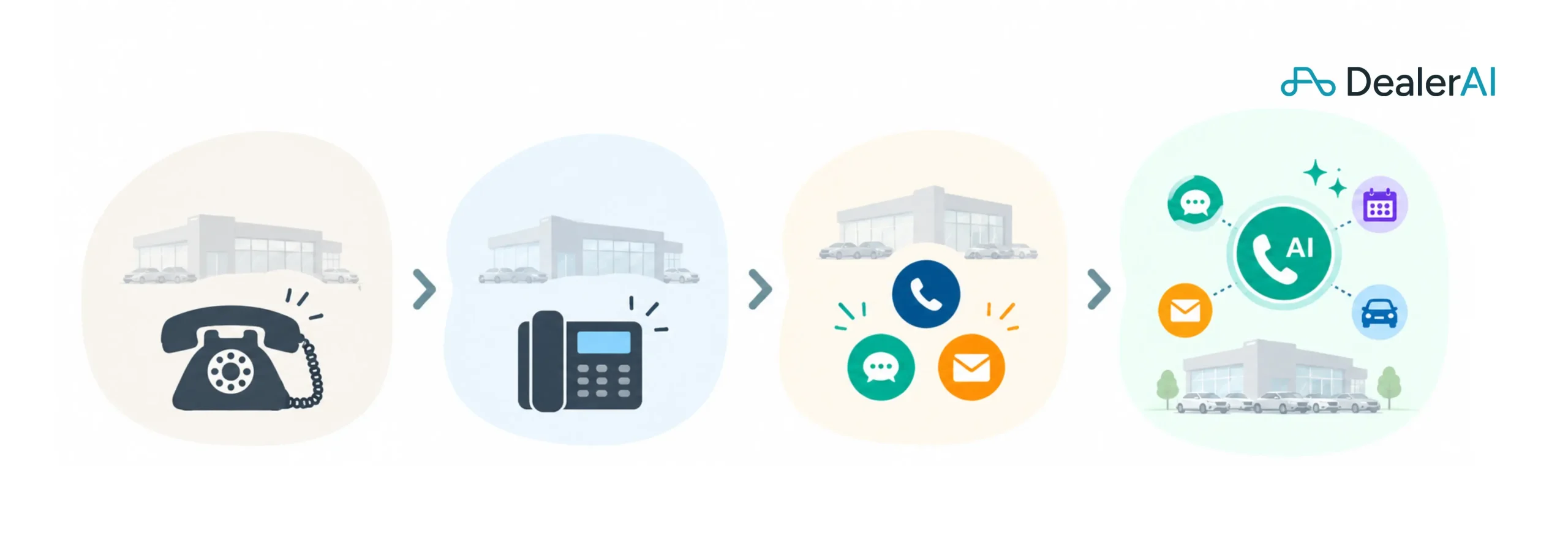
Today’s vehicle shopper may communicate through several channels before visiting a dealership.
An inquiry may begin on a third-party site, continue by email, move to SMS and later involve a phone call or website chat. A Facebook inbox message may also become part of the same buying journey.
Internally, those interactions can appear in different places. For the customer, they are simply different ways to reach the dealership.
When the channels are disconnected, useful context can disappear. Staff may not know what was already discussed, while the shopper may be asked for the same information more than once.
For auto group leadership, this creates a broader question about customer communication. The goal should not only be to offer more channels. It should be to maintain continuity when the buyer moves between them.
After Hours Still Count
Vehicle shopping does not follow showroom hours.
Customers research inventory in the evening, submit inquiries after dinner and send messages on weekends. How those opportunities are handled can vary considerably between locations.
One dealership may have strong evening coverage. Another may depend on the morning team to work through everything that arrived overnight.
That difference can affect the customer experience before a salesperson has even started working the lead.
For groups with several stores, after-hours handling is therefore part of the consistency question. A buyer should not receive a completely different level of service simply because the inquiry reached one rooftop at 9:30 p.m. instead of another at 2:30 p.m.
Inventory Should Work Across the Group
Multi-rooftop organizations have an advantage that individual dealerships do not: a broader pool of vehicles.
That advantage can be lost when inventory is treated one store at a time.
A shopper may contact one dealership about a vehicle that has already sold. Another location in the same group may have a similar model, trim or alternative that could still fit the buyer’s needs.
If that option never enters the discussion, the customer may leave the organization and continue shopping elsewhere.
This changes the management question. Instead of asking only whether one store can save the opportunity, leadership can ask whether the group has another way to keep the buyer.
For multi-store operators, using shared vehicle data effectively can turn a local inventory limitation into a group-level sales opportunity.
Reports Show the Outcome
Auto group leaders already have access to extensive performance data. They can usually review lead volume, response time, appointment rates, shows, sales and closing percentages by location.
Those numbers are essential, but they mainly describe what happened.
They do not always show why.
A lower conversion rate may have started several days earlier. Continued contact may have stopped too soon. An appointment was never offered. A handoff lost context. The requested vehicle disappeared without another option being presented.
Leadership does not need to review every message manually. However, a clearer view of what happens inside customer interactions can help reveal recurring patterns.
The closing percentage can identify where performance differs. The journey behind that number can help explain the difference.
Consistency Without Uniformity
Improving consistency does not mean every dealership should operate the same way.
Brands have different customers. Markets vary. Staffing models and sales structures differ. Local managers also need room to apply their experience.
The opportunity is to make the parts of the customer journey that should be reliable less dependent on memory and workload.
New inquiries should receive timely attention. Important information should survive a handoff. Meaningful outreach should continue when appropriate. Appointment opportunities should be recognized, and another store’s inventory should be considered when it can help the customer.
These are not rigid sales scripts. They are operating standards that can support stronger execution across a group while allowing each dealership to maintain its own selling style.
Where Technology Can Help
Technology can help auto groups make routine parts of lead handling more consistent without removing the sales team from the process.
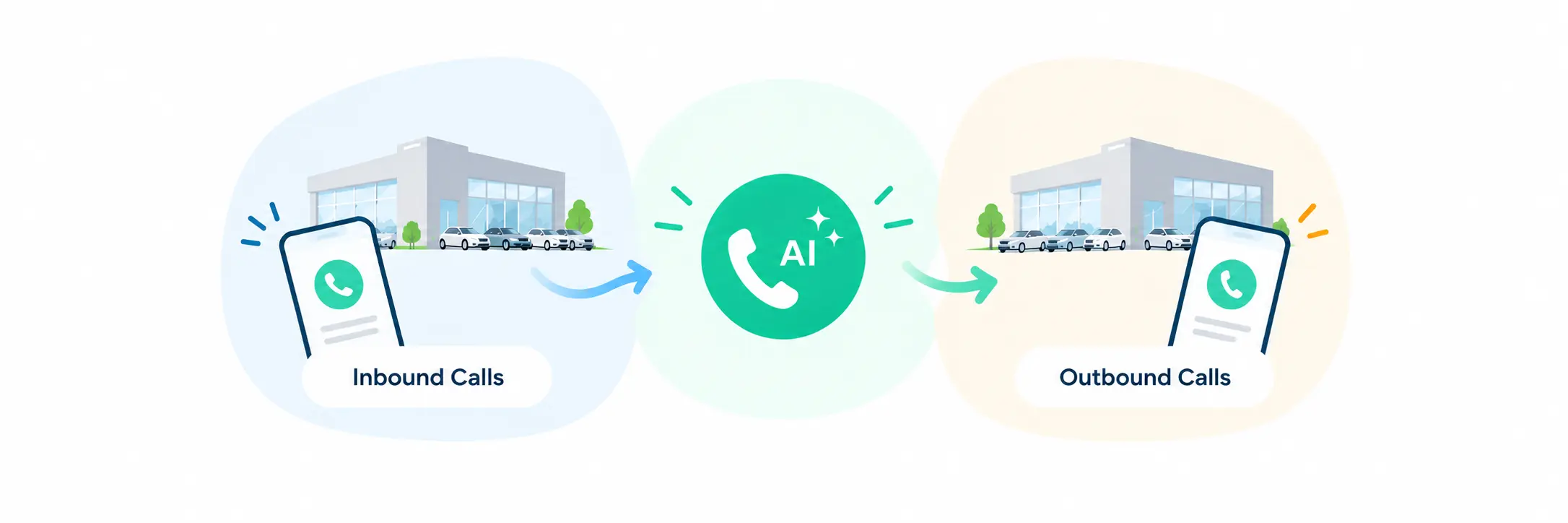
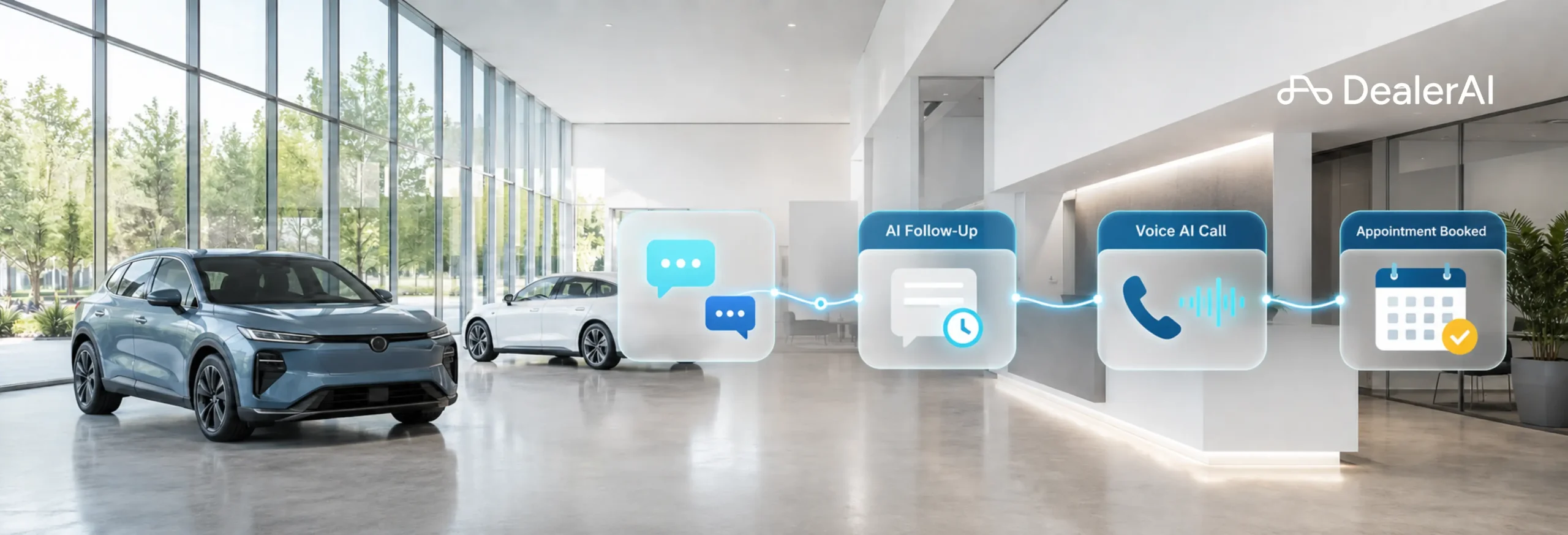
DealerAI supports the customer journey from the first inquiry through continued communication, appointment booking and routing across channels such as chat, SMS, email and phone. The platform can use earlier conversation history to make later outreach more relevant, respond to events such as price changes or promotions, and direct inquiries to the appropriate department when staff need to become involved.
For multi-rooftop organizations, Fuse Inventory allows participating stores to share vehicle data so another location can become part of the solution when the original dealership does not have the right match. Group leadership can also oversee supported conversations through a central portal, providing more context around what is happening between the first inquiry and the eventual appointment or sale.
Although the technology behind the workflow is complex, the business objective is simple: help more of the opportunities the group already has continue toward the next step.
Look Beyond the Close Rate
When one dealership converts more leads than another, the final close rate is an important indicator. It should also be the beginning of the analysis rather than the end.
Sales Directors and VPs can learn more by comparing what happens throughout the customer journey. Response quality, continued contact, appointment activity, staff handoffs, communication channels and access to inventory can all influence the final result.
These details can help explain why locations under the same ownership produce different outcomes. More importantly, they can show which parts of the strongest store’s approach are worth making easier to repeat elsewhere.
The goal is not to make every dealership identical. It is to reduce the avoidable moments where a good opportunity can lose momentum.
See It in Action
DealerAI helps dealerships and auto groups keep customer opportunities moving from the first inquiry toward the next step, while giving leadership greater visibility across stores and communication channels.
See how DealerAI can support a more consistent lead workflow across your auto group.
Frequently Asked Questions
Why do dealerships in the same auto group have different lead conversion rates?
Results can vary because stores may handle response quality, continued outreach, appointment booking, staff handoffs, after-hours inquiries and inventory differently. Market conditions, brand demand and staffing can also affect performance.
How can an auto group improve lead conversion?
Start by reviewing the full customer journey rather than focusing only on the final closing percentage. Compare response quality, continued contact, appointment activity, handoffs and the points where shoppers stop engaging.
Is fast response enough to improve dealership lead conversion?
Fast response is important because it helps a dealership reach shoppers while their interest is active. However, useful answers, relevant communication, clear next steps and effective handoffs also influence whether the opportunity progresses.
Why is follow-up important for dealership leads?
Many shoppers do not make a decision after the first interaction. Relevant continued contact can help keep the dealership involved while the customer compares vehicles, evaluates a trade or decides when to visit.
How can auto groups improve lead handling across multiple stores?
Groups can establish common standards for response, continued communication, appointments, handoffs and after-hours coverage while allowing each location to maintain its own sales approach. Shared visibility can also help leadership identify where execution differs between stores.
How can shared inventory improve auto group lead conversion?
Shared vehicle data can help a dealership identify relevant inventory at another location when the original store does not have the right match. This gives the group another opportunity to keep the customer within the organization.